

At the end of the 13th century or the beginning of the 14th, Gil Cordero, a cowherd from Cáceres, found the image of the Black Virgin after a miraculous apparition, hidden somewhere deep in the mountains of Las Villuercas. From then on, a shrine was established which began to receive pilgrims from the surrounding area. Around 1330, King Alfonso XI of Castile and León (1311-1350) visited the area, where he had one of his bear-hunting grounds, as recorded in his famous “Libro de la Montería” (Book of Hunting).
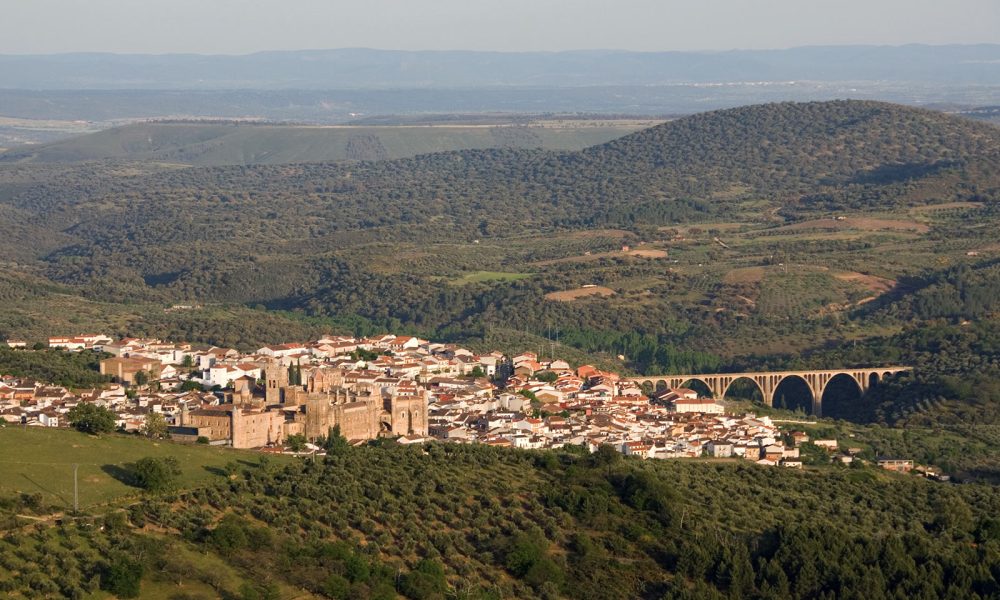
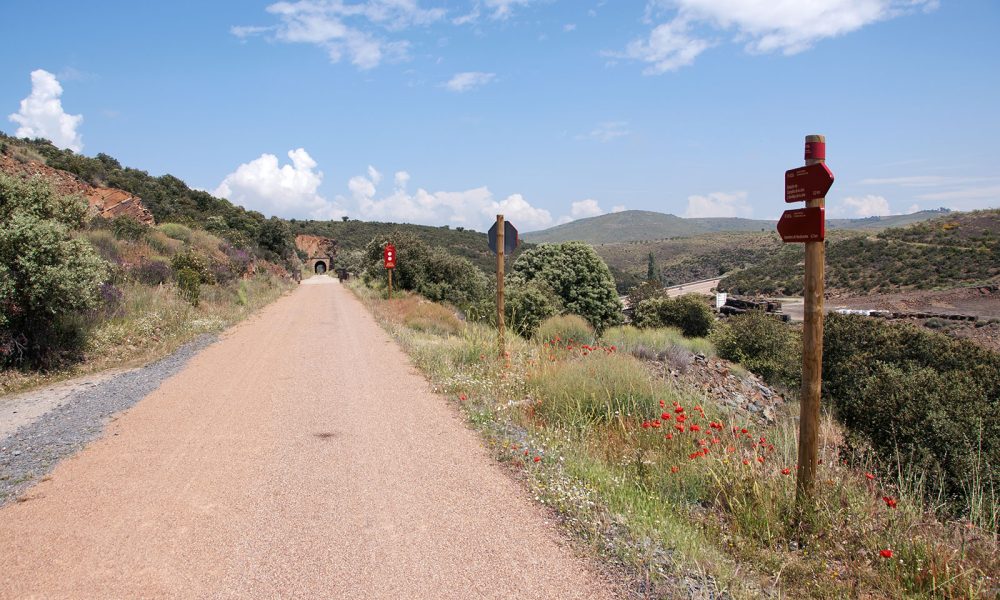
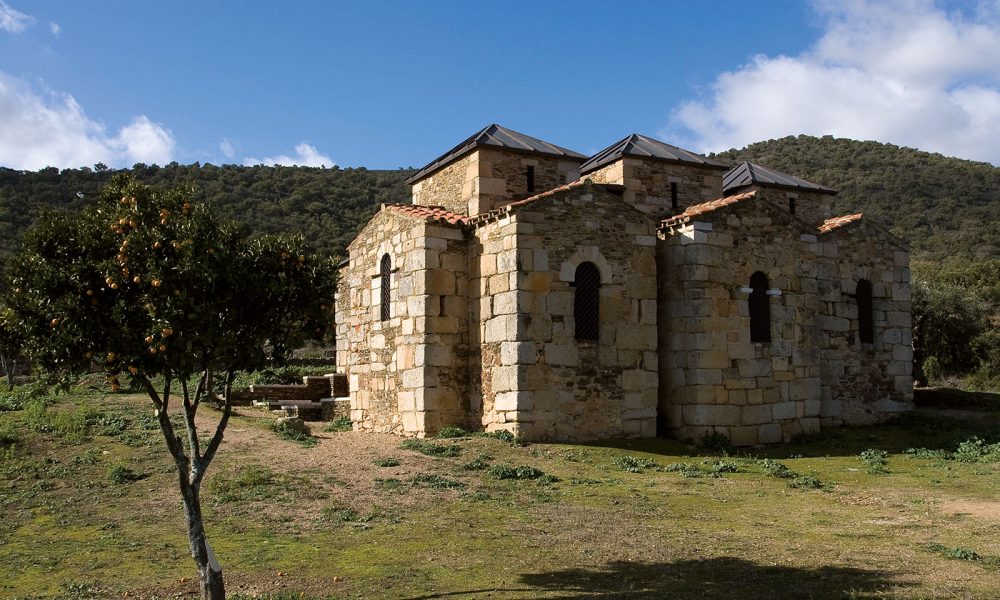
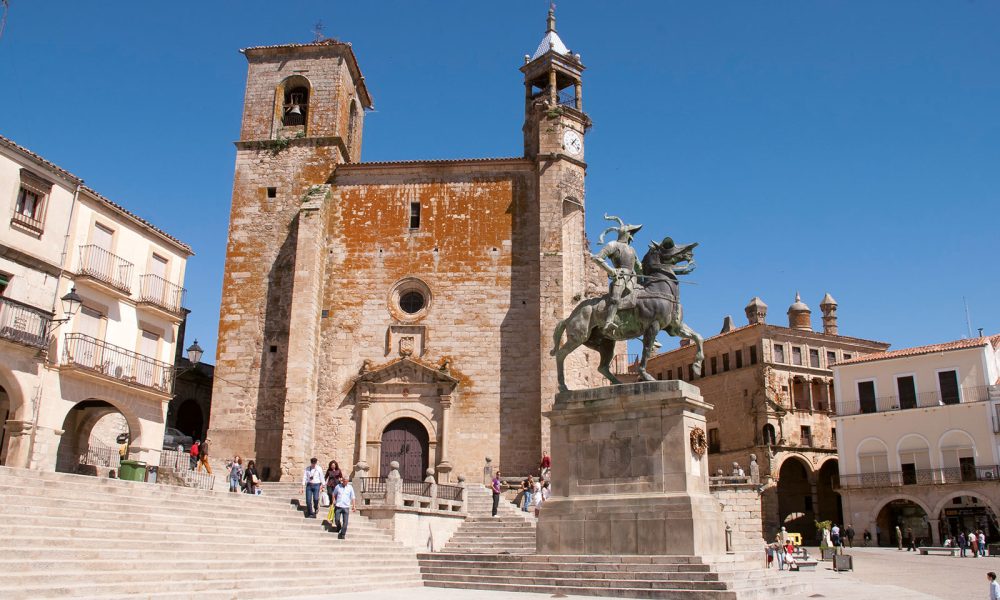
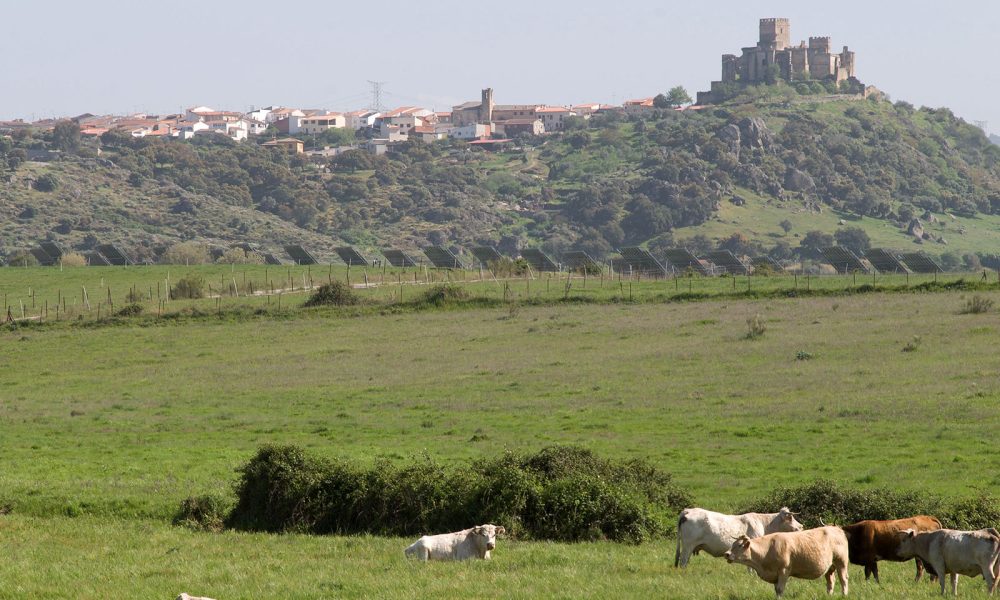
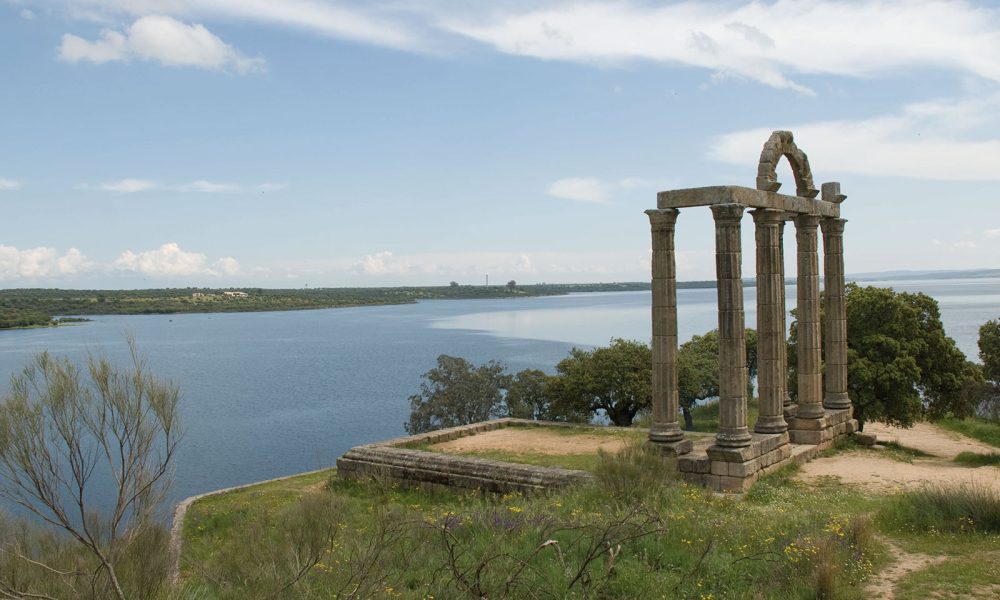
This king promoted the initial construction of the Monastery of Guadalupe in 1337, which brought more pilgrims to the shrine. However, the monastery’s historical influence reaches far beyond its walls: a network of routes, cultural and natural corridors grew up around it, giving rise to a rich legacy of architectural heritage and intangible oral tradition that can still be traced today. Over the centuries, the course of the original routes was lost in some cases, while in others it was reinforced as they became established lines of communication. All of this unfolds across an exceptional landscape of great scenic and natural wealth, passing through protected natural areas (national parks, natural parks, SPAs…), wetlands, forests, mountain ranges and valleys… with a high level of biodiversity and in a very good state of conservation.