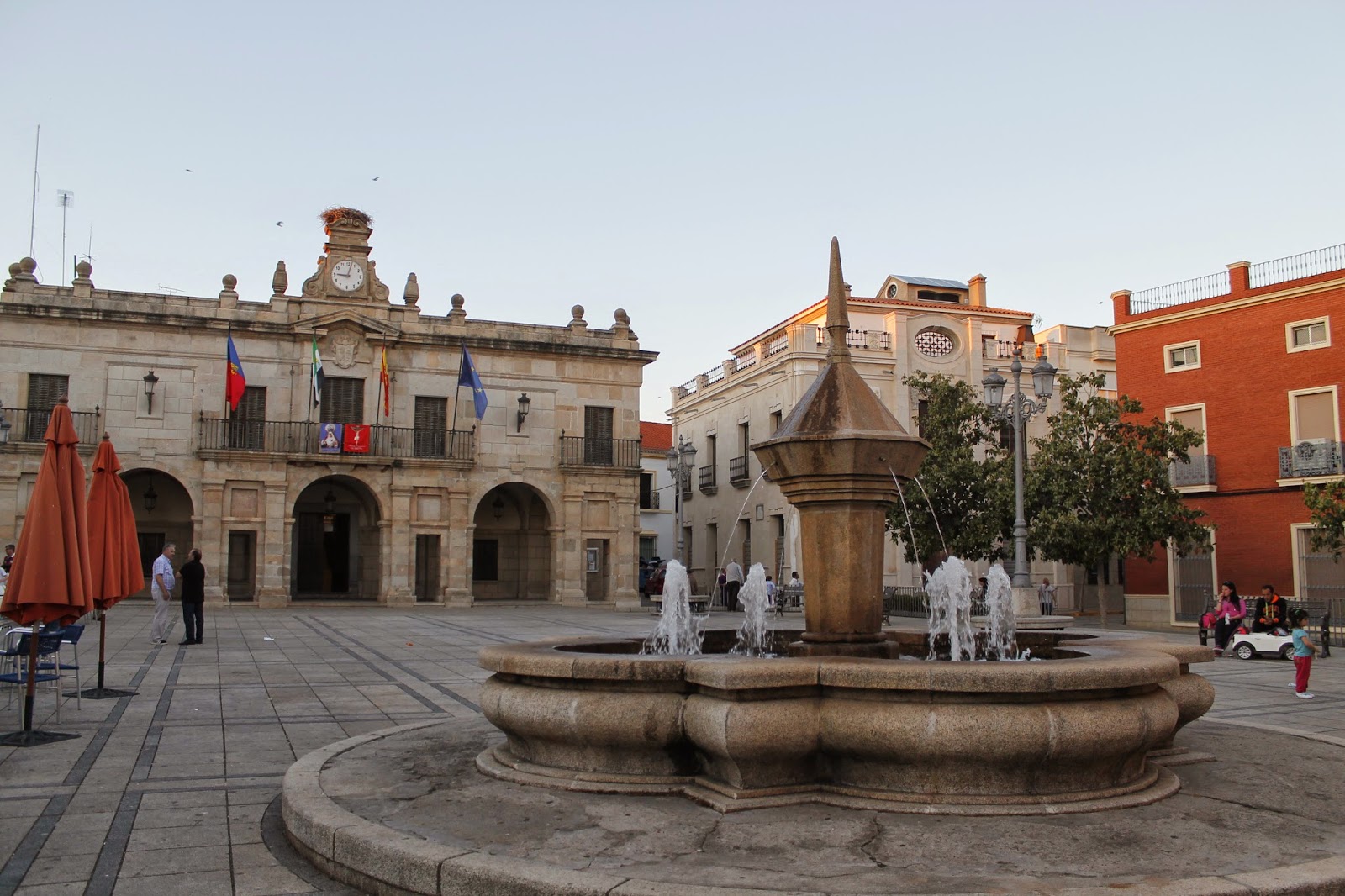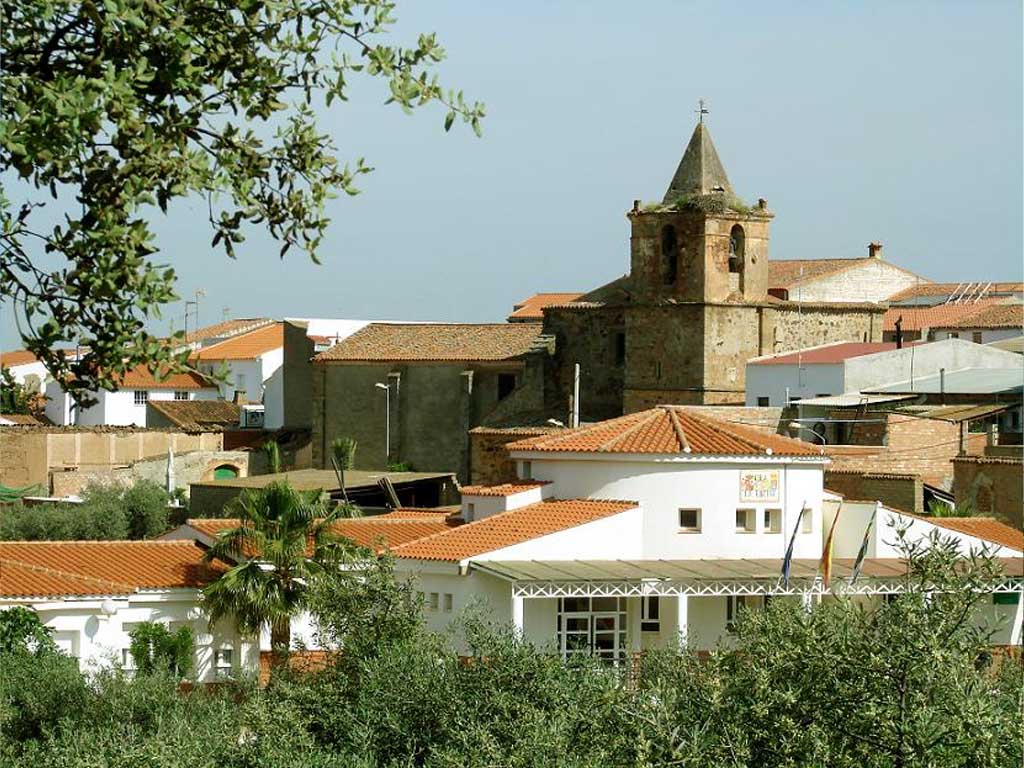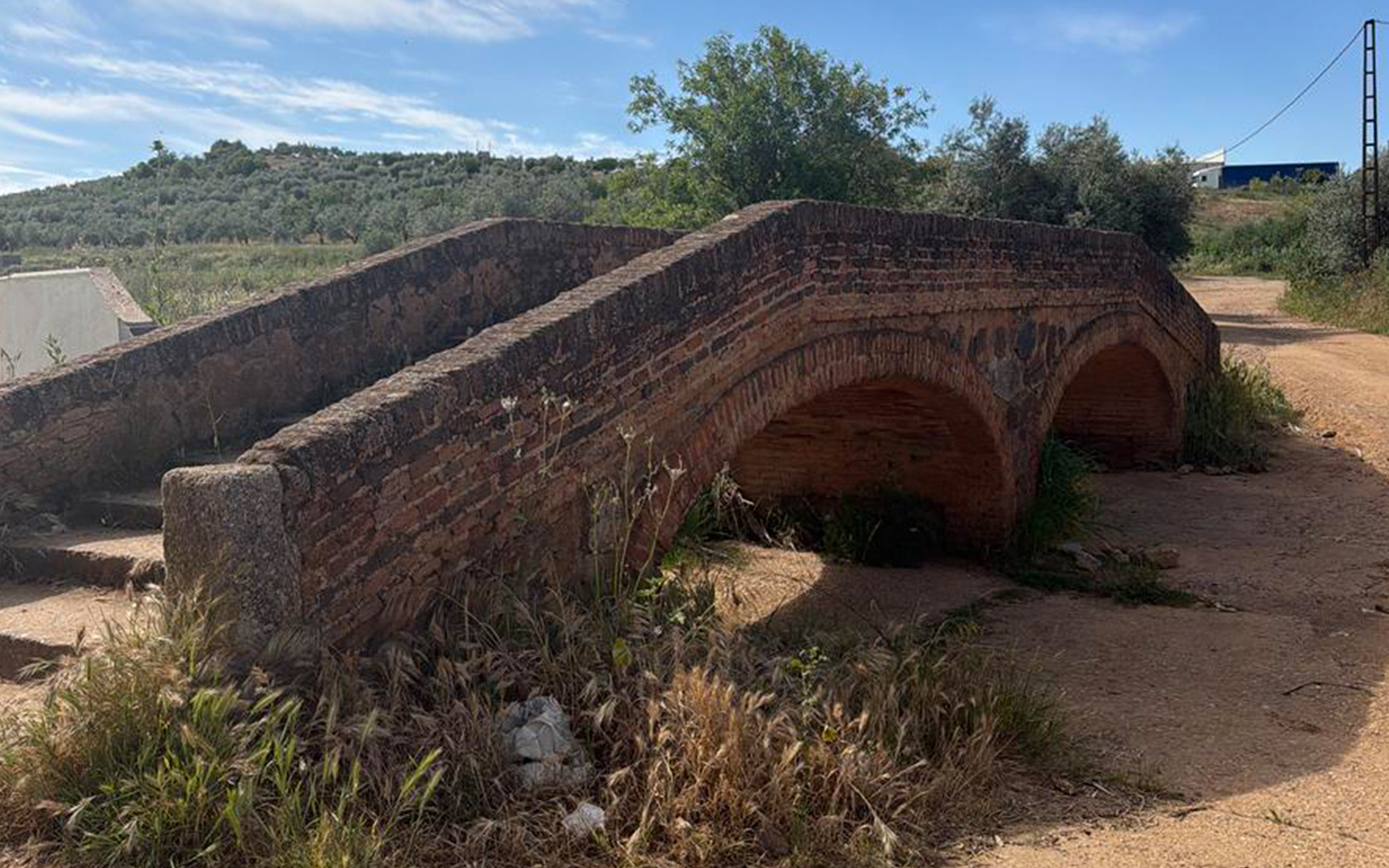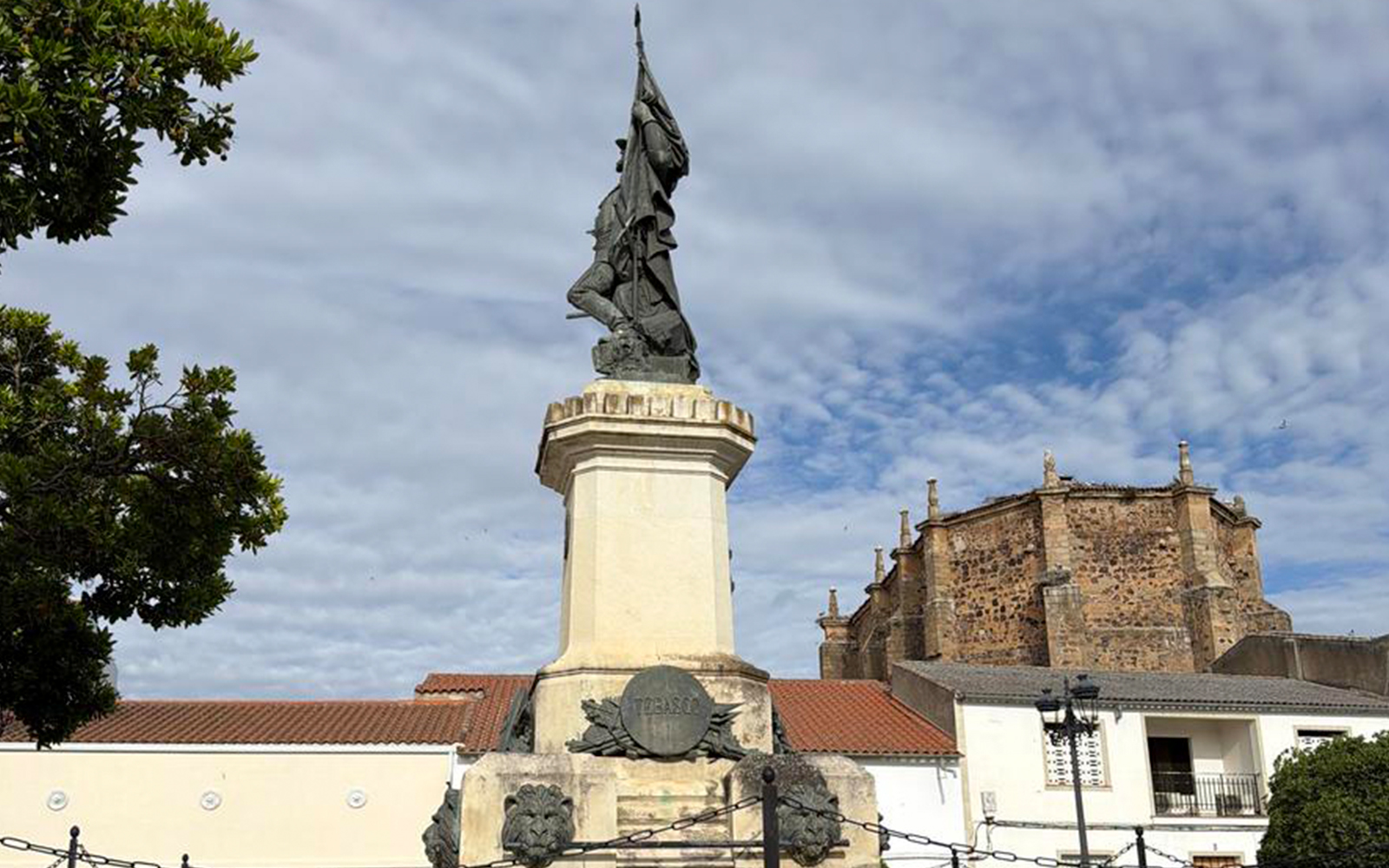


From the gentle plains of Manchita, where tradition places an ancient Marian apparition, that of Our Lady of the Nativity, similar to that of Guadalupe, begins a route that is not only geographical but deeply historical and symbolic. This new pilgrimage way to the Royal Monastery of Santa María de Guadalupe rests on an unquestionable reality: the continuity of settlement, culture and spirituality in the heart of the middle Guadiana valley.
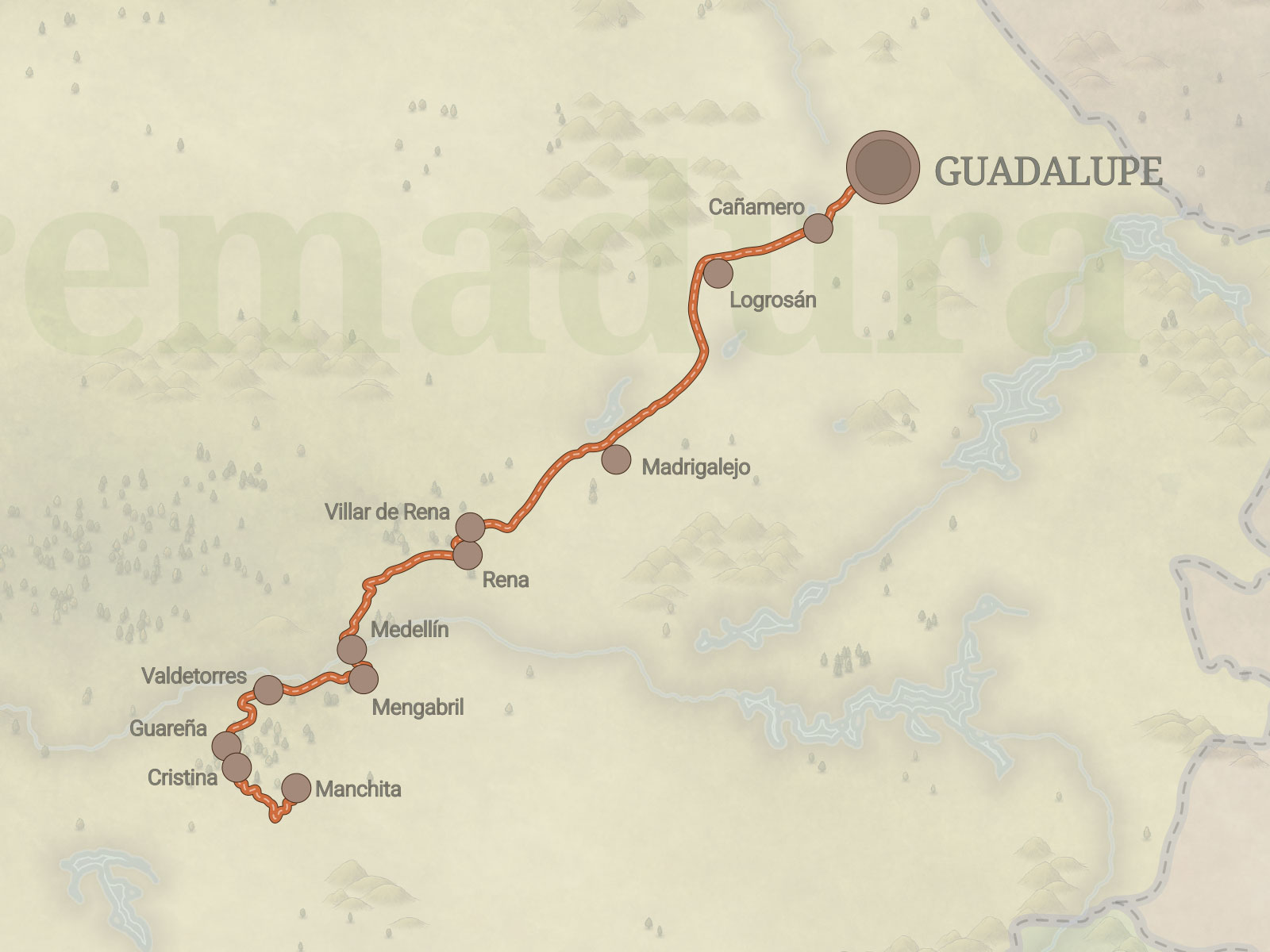
The route runs through the former lands of the County of Medellín, a historical unit that for centuries brought together the towns of Manchita, Medellín, Don Benito, Guareña, Cristina, Valdetorres, Mengabril, Rena and Villar de Rena. All of them shared jurisdiction, economic ties, natural routes and a common identity from the Late Middle Ages onwards.
This gives the route historical coherence: it is not a modern invention, but the recovery of a territorial network that already functioned as an integrated space.
Pilgrims on this route travel through a territory inhabited since protohistoric times. Very close to the way lies the archaeological site of “Casas del Turuñuelo”, one of the most important Tartessian sites in the Iberian Peninsula, more than 2,500 years old. It reveals that these lands were already a hub of economic and symbolic power in the ancient world.
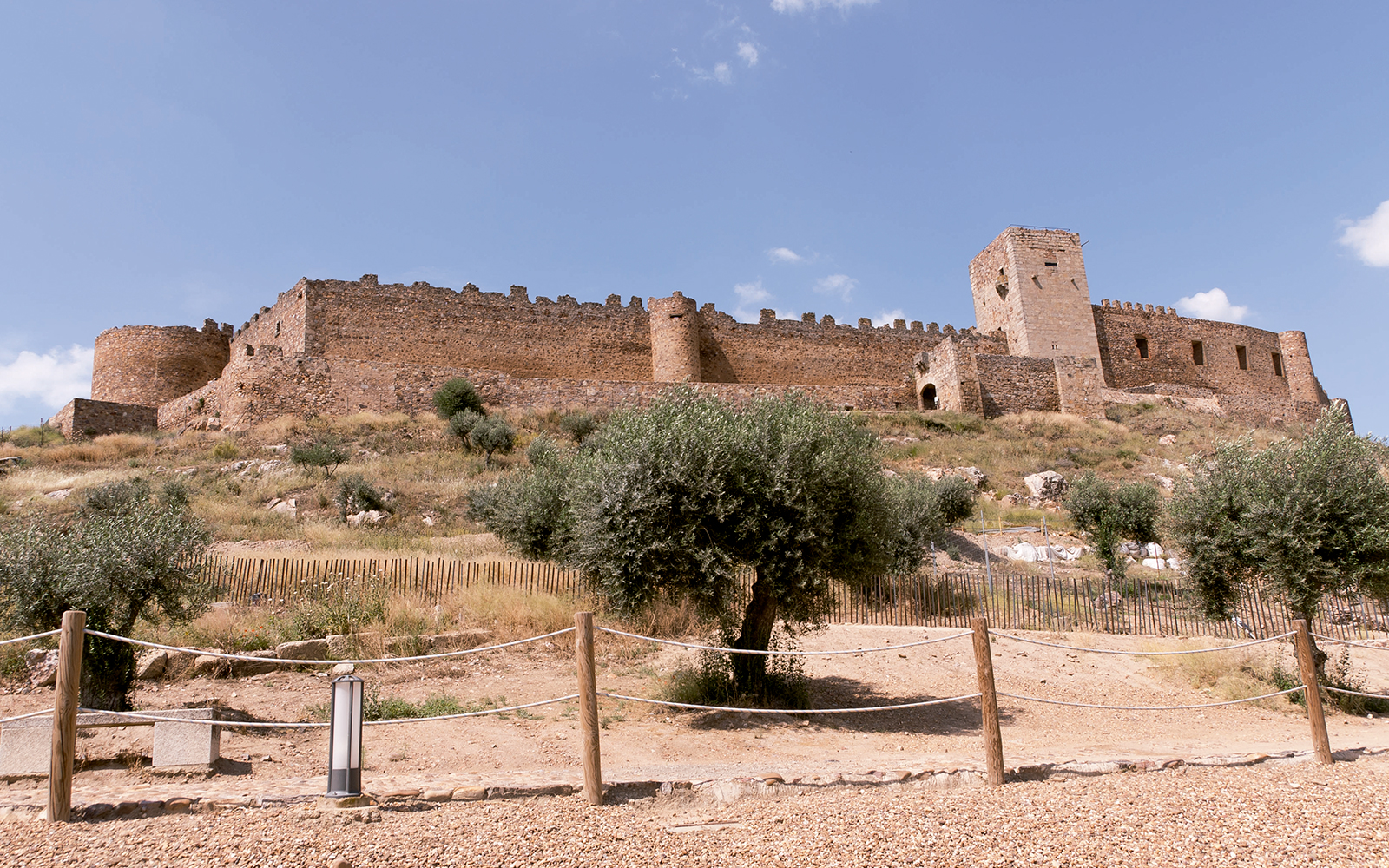
A few kilometres away, the Medellín Archaeological Park shows the continuity of that settlement through every period: from prehistoric settlements to the Roman city of Metellinum, by way of the Islamic and Christian eras. This character as a crossroads, a strategic and symbolic place, reinforces the idea of a historic route that has always connected territories and cultures.
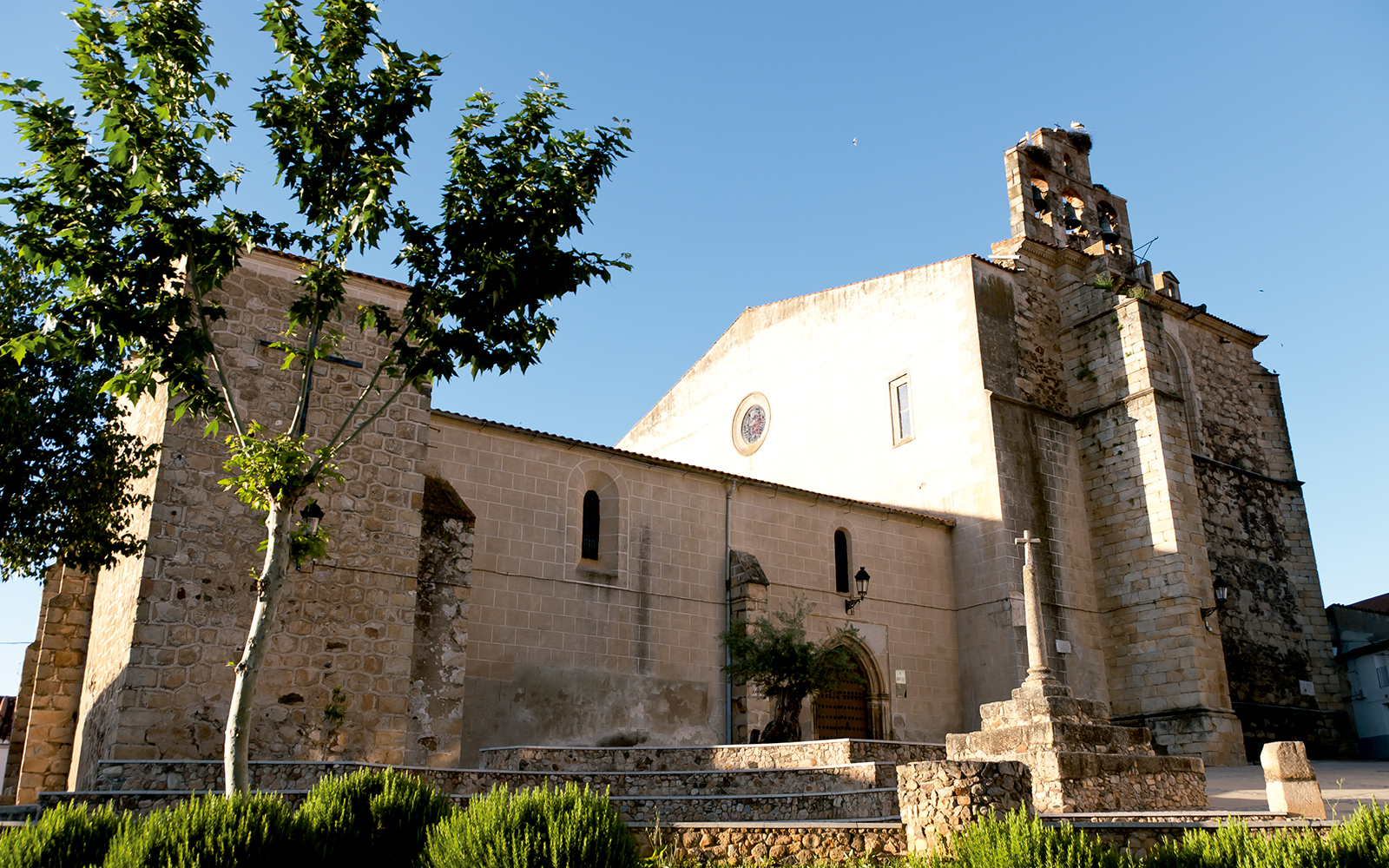
In the 16th century, this same area underwent a profound spiritual and artistic reorganisation led by Bishop Gutierre de Vargas Carvajal, one of the key figures of the Renaissance in Extremadura. His ambitious building programme gave the diocese of Plasencia an extensive network of parish churches that not only served religious purposes but also gave structure to the territory.
The proposed way largely coincides with the area of his work. Towns such as Guareña, Medellín, Don Benito and Madrigalejo preserve churches directly linked to his patronage, so this route can be seen as a natural extension of that Renaissance church network.
Although not every church along the way can be attributed directly to his initiative, they all belong to the same territorial and spiritual system, heir to that 16th-century reorganisation. In this way, pilgrims travel not only through a historic landscape but through a genuine artistic corridor in which religious architecture is the common thread.
And so, until the end of the 17th century, Guadalupe kept its character as a place of pilgrimage and spiritual centre of the kingdom, enjoying the favour of the House of Habsburg.